
Watch quietly and let the forest lead
Cloud Forest Fauna
The surrounding habitat can support birds, butterflies and other wildlife, but every encounter depends on conditions and chance. Learn what to look for and how to observe without disturbing the animals.
Plan with clarity
Observe habitat, behavior and change
Wildlife observation works best when expectations stay realistic. Move slowly, reduce noise and value the forest experience even when a particular species does not appear.
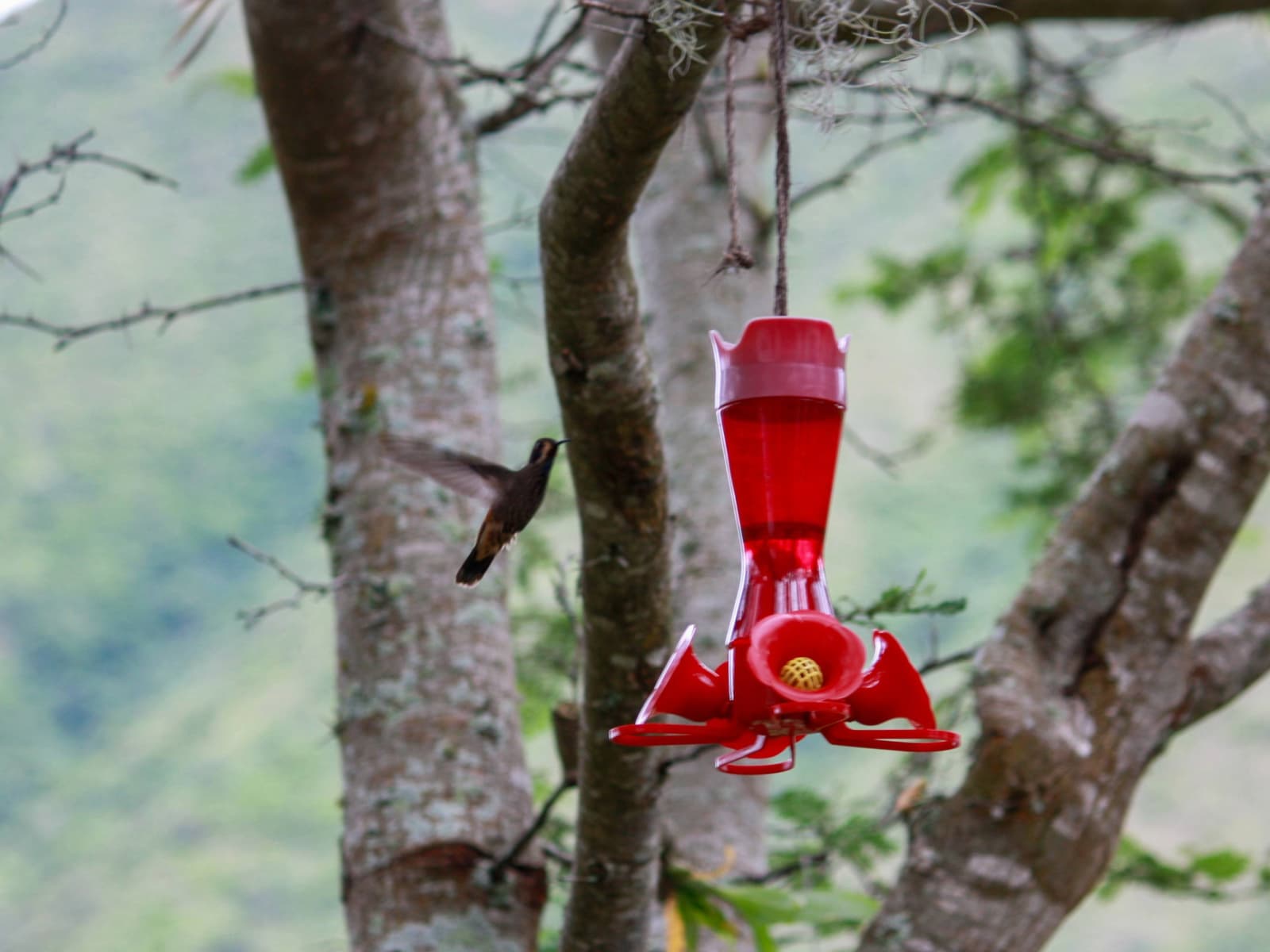
Hummingbirds
Fast movement around flowering plants. Look for activity where food and cover are present, especially during suitable morning conditions.
Explore →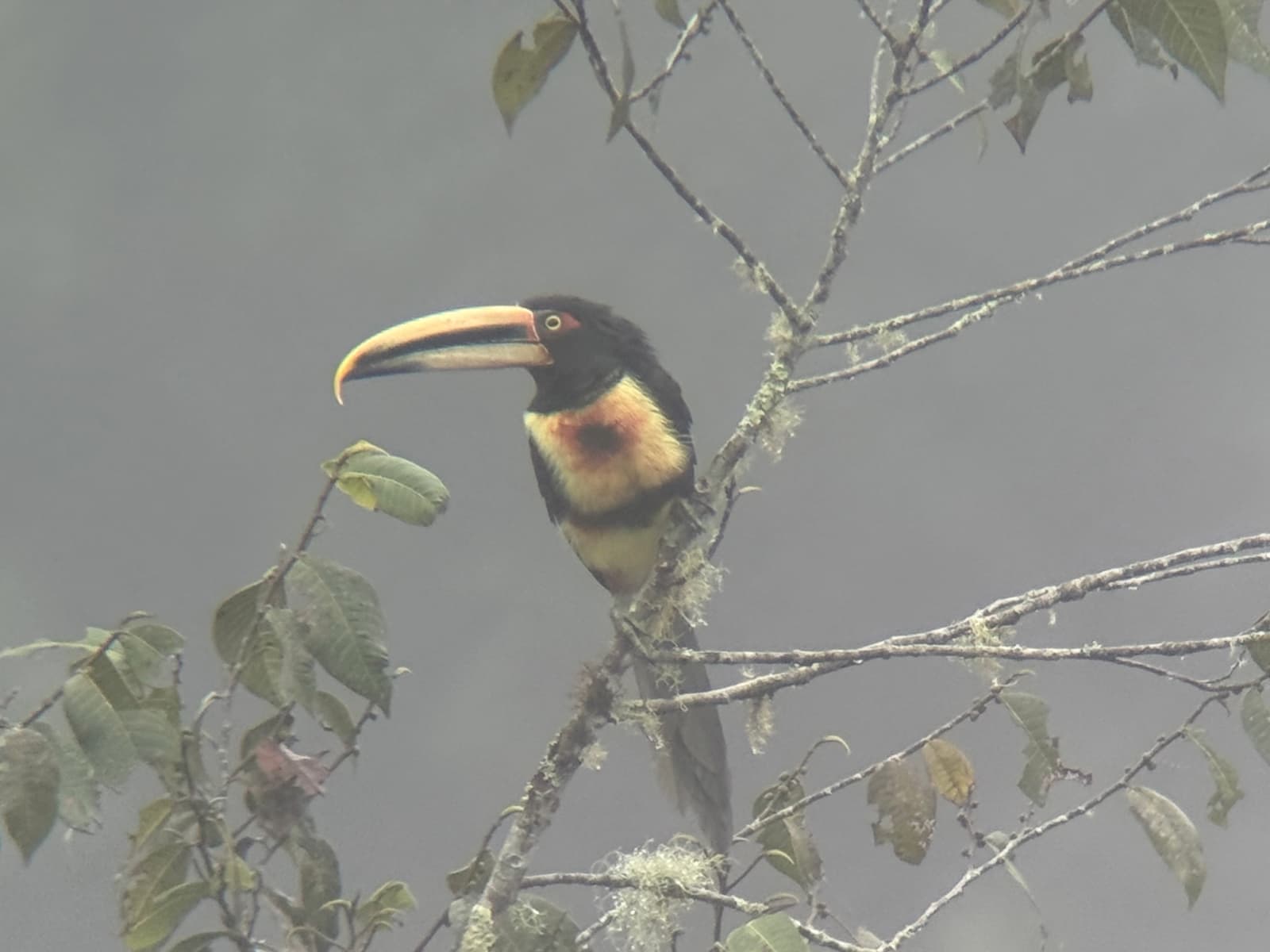
Toucans and other birds
Calls may reveal birds before views do. Use binoculars and patient observation rather than approaching or playing loud audio.
Explore →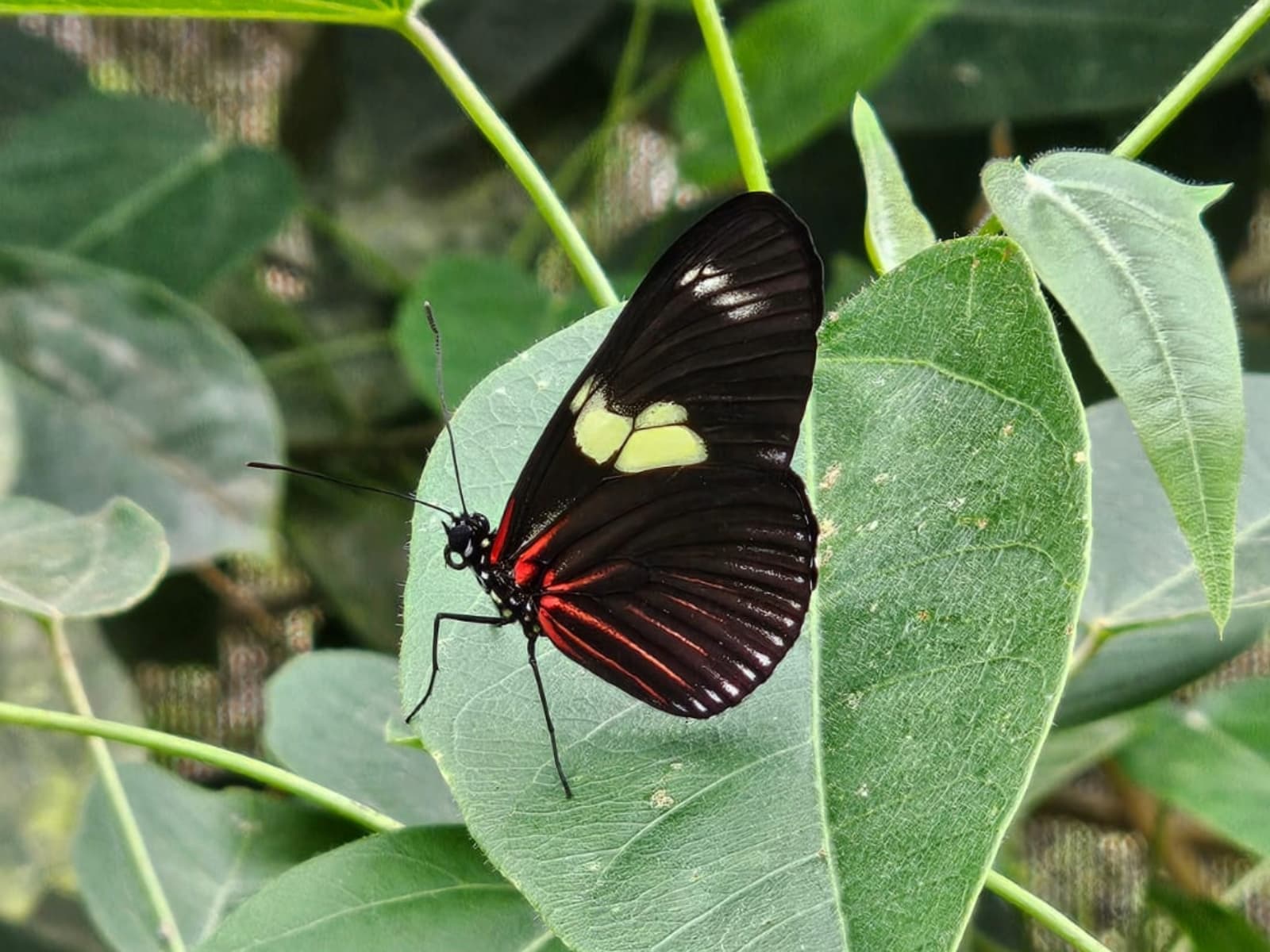
Butterflies
Small signs of a diverse landscape. Activity varies with light, temperature, vegetation and recent weather.
Explore →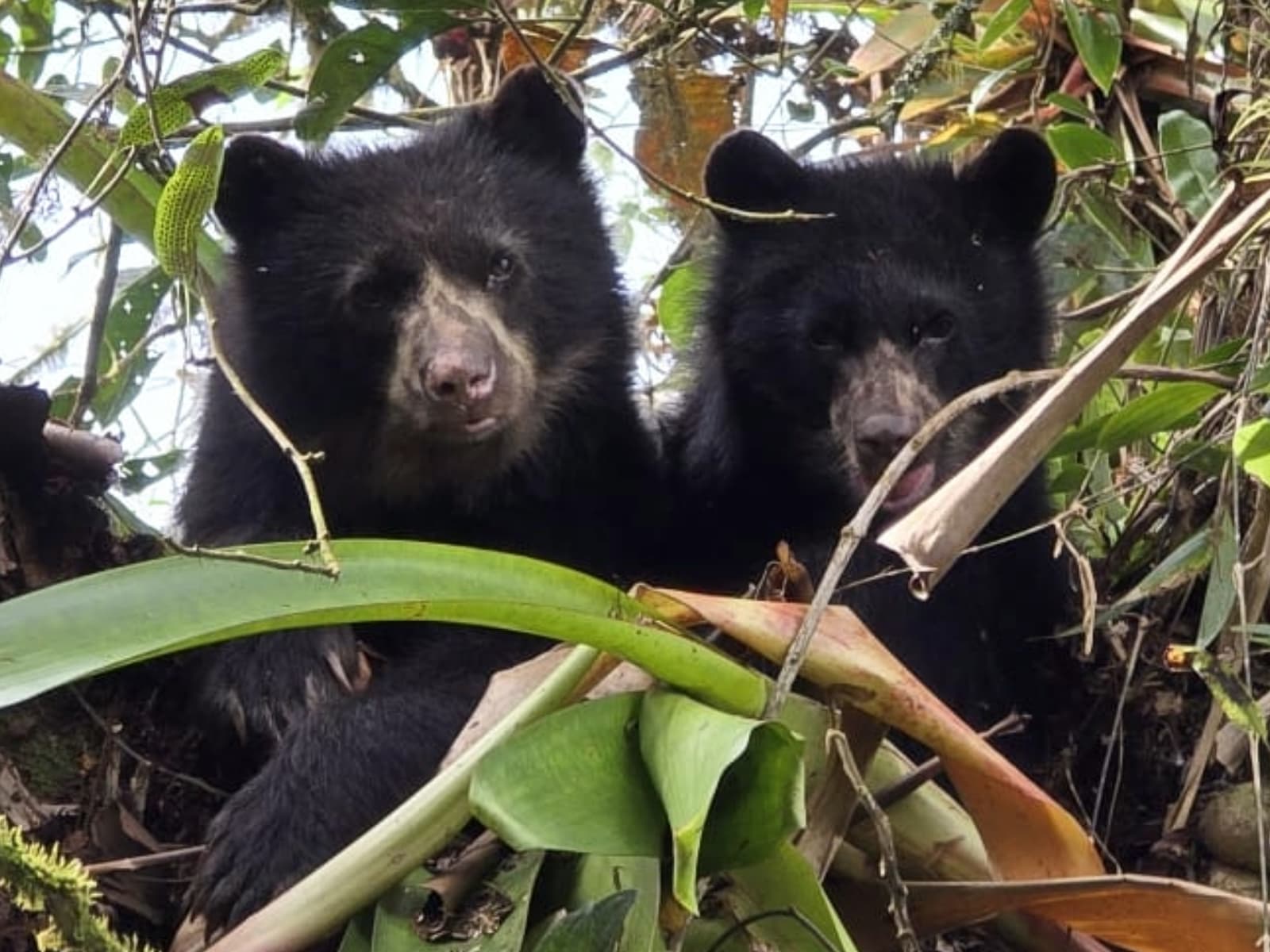
Larger mammals
Possible, elusive and never promised. The spectacled bear is associated with Andean habitats, but a stay does not imply a likely sighting.
Explore →Your next step
Confirm the plan for your dates.
Share your interests, dates and needs. The host can confirm what is available and help you avoid planning around assumptions.
FAQ
Planning questions
Clear answers for decisions before you book.
What wildlife can guests see?
The region supports varied birdlife, butterflies and other animals. Exact sightings depend on habitat, season, weather, time and chance.
Are hummingbird sightings guaranteed?
No. Hummingbirds may be present, but activity changes. Plan observation for the experience rather than a guaranteed species checklist.
What is the best time for wildlife observation?
Early hours can be productive for birds, but the best timing varies. Ask the host about recent activity and local conditions.
How should I observe wildlife responsibly?
Keep a respectful distance, reduce noise, avoid feeding animals, stay on suitable routes and follow local guidance.