
Watch for small, fast movement
Flowers and forest edges may create feeding opportunities, but activity varies and approach routes must remain clear.
Habitat-first birding in the Chocó Andino
Cloud forest birds use canopy, edges, flowering areas and sheltered vegetation in different ways. Learn to read the habitat, keep expectations flexible and let wildlife control every encounter.

The forest offers possibilities, not a guaranteed species checklist.
Read the habitat
Watch patiently and let current forest conditions shape the experience.
Flowers and forest edges may create feeding opportunities, but activity varies and approach routes must remain clear.
Calls, silhouettes and movement may reveal larger forest birds before a clear view appears.
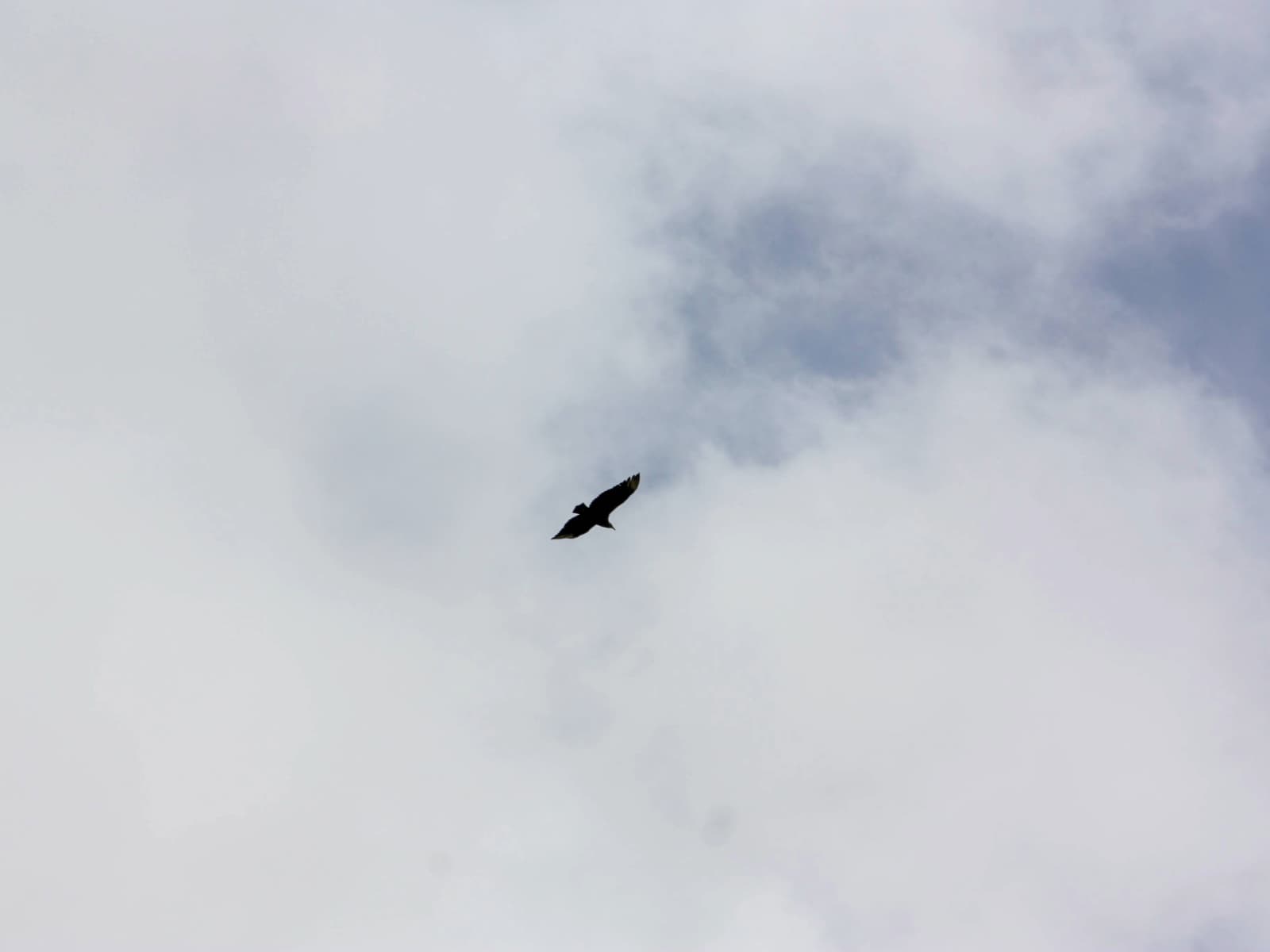
Dense vegetation can hide birds even when they are close. Patience and quiet listening matter more than forcing a view.
Plan before arrival
Room choice, transportation, possible guiding and equipment all belong in the plan.
Notice canopy, edges, flowers, fruit and sheltered vegetation before focusing on a target species.
Try more than one quiet period and let rain, mist, visibility and current activity shape the timing.
Avoid playback, crowding, blocked feeding routes or pressure for a photograph; follow current local guidance.
Build your field context
These guides help prepare expectations, ethics and priorities.
Prepare for fast movement, changing light and respectful photography.
Explore →
Connect habitats, logistics, equipment and ethical field practice.
Explore →
Understand birds within a larger, freely moving animal community.
Explore →Observe with care
Quiet behavior protects both the experience and the habitat.
Past observations never guarantee a future sighting.
Calls may reveal direction and habitat before a bird appears.
Give birds room to feed, rest and move away.
FAQ
Clear answers before booking a birding base.
Cloud forests support diverse bird communities, but species presence and visibility vary by location, elevation, habitat, season, weather, time and chance.
They may occur in suitable habitat, but no particular bird is guaranteed. Treat photographs and species lists as context rather than a promise.
Early quiet periods can be productive, but current weather and activity matter. Plan several flexible observation windows instead of relying on one hour.
Move quietly, keep distance, avoid blocking feeding routes, limit disturbance and follow property or guide instructions.