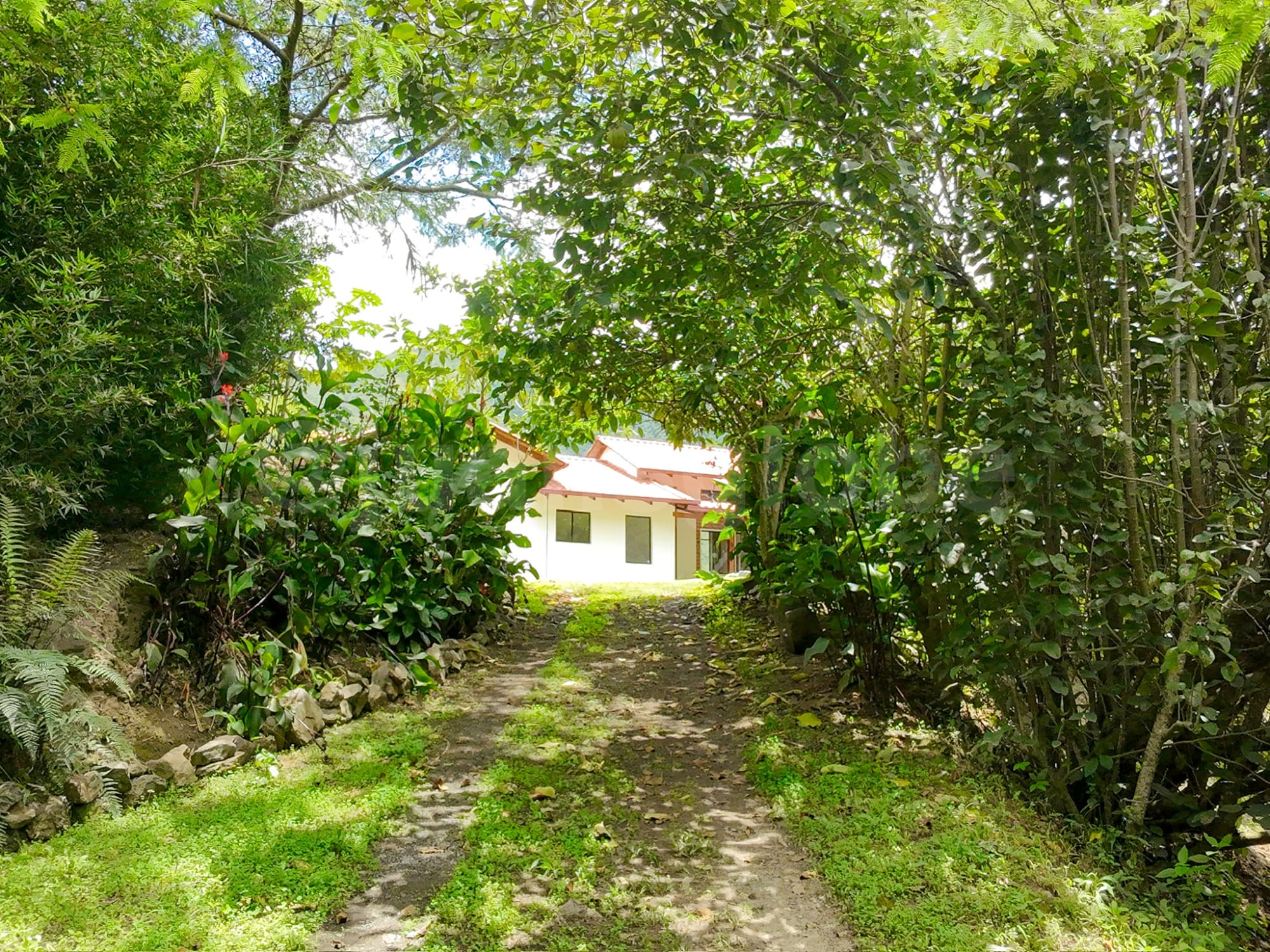
Match places to the trip’s priorities
Coast, Andes, cloud forest and Amazon habitats differ. Choose a manageable route instead of compressing too many regions.
A practical framework for an ethical birding trip
Start with habitat and logistics rather than a guaranteed checklist. Ecuador’s elevation and regional variety create many possibilities, while weather, access, season and chance shape every field day.
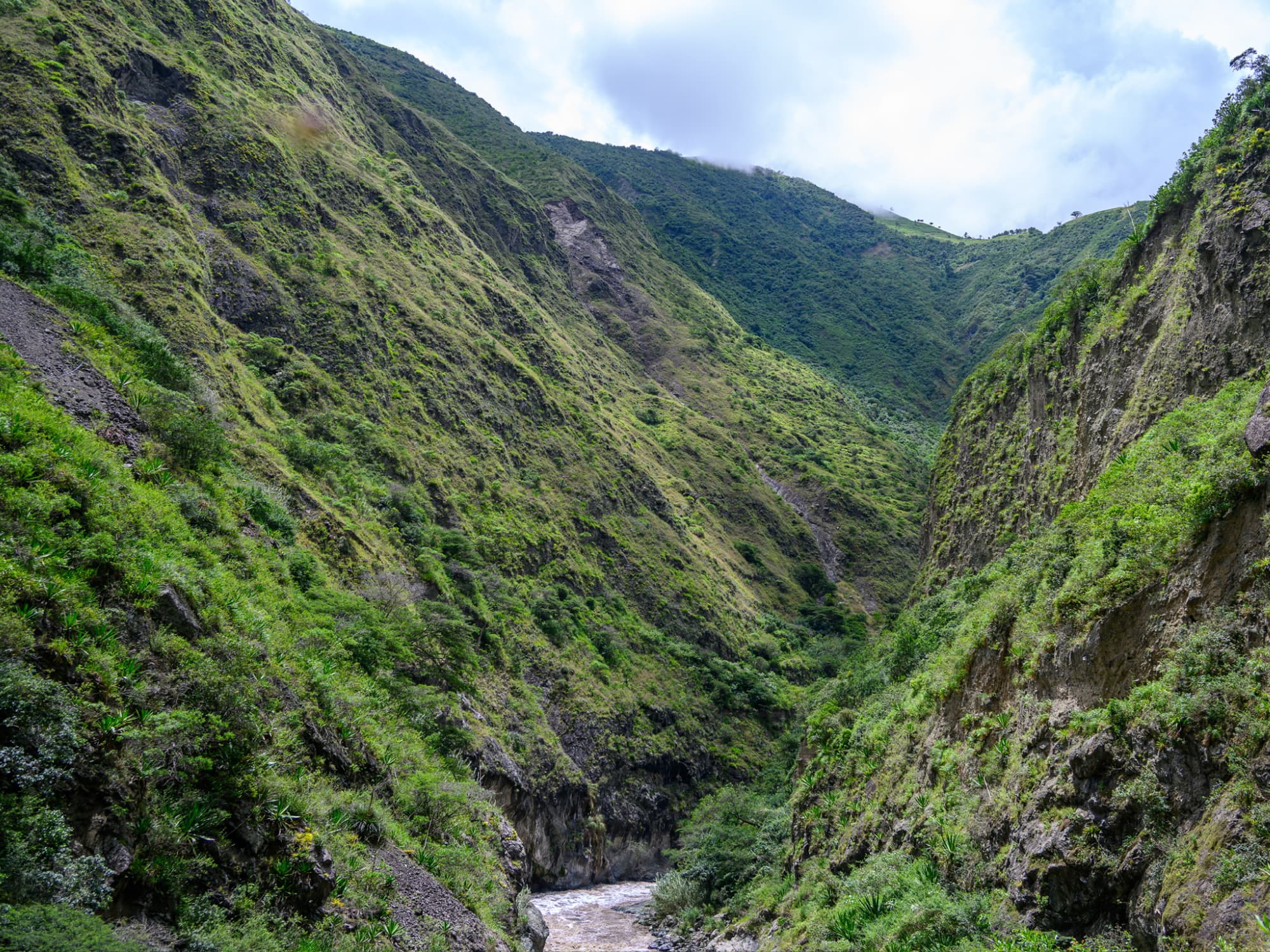
The forest offers possibilities, not a guaranteed species checklist.
Read the habitat
Watch patiently and let current forest conditions shape the experience.
Coast, Andes, cloud forest and Amazon habitats differ. Choose a manageable route instead of compressing too many regions.

Early activity can be rewarding, but rain, mist, visibility and access affect the day. Keep alternatives at different effort levels.
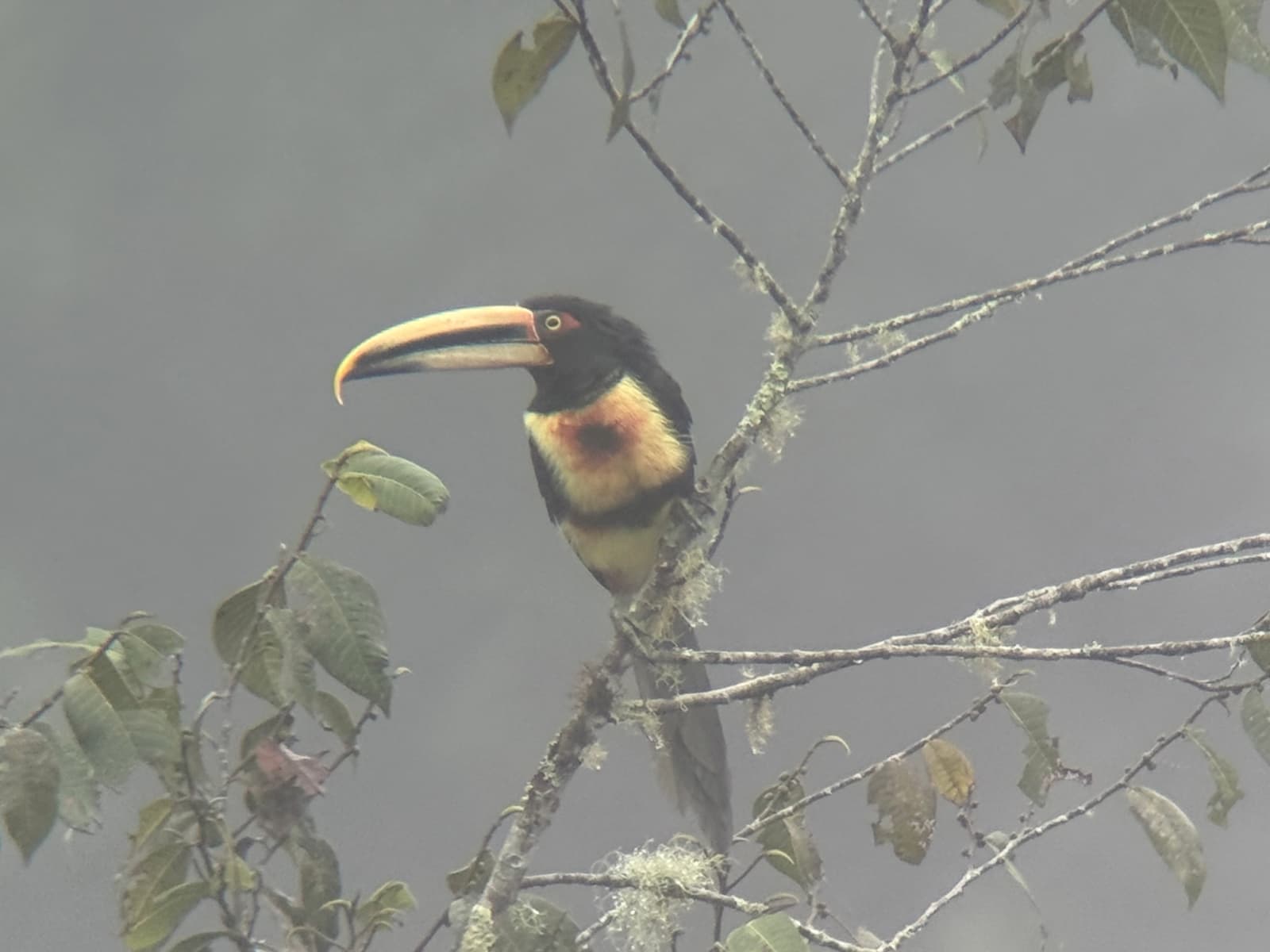
Binoculars, suitable footwear and weather protection matter more than excess gear. Distance and quiet behavior always come first.
Plan before arrival
Room choice, transportation, possible guiding and equipment all belong in the plan.
Name the habitats, regions or birding experiences that matter most, then protect enough time for travel and weather.
Verify guide credentials, transport, meeting point, access, physical demands, included equipment and price.
Use notes, sound awareness and photographs responsibly; never pressure wildlife to complete a checklist.
Build your field context
These guides help prepare expectations, ethics and priorities.

Compare rooms, early schedules and practical stay details near Quito.
Explore →Learn how canopy, edges and understory shape observation.
Explore →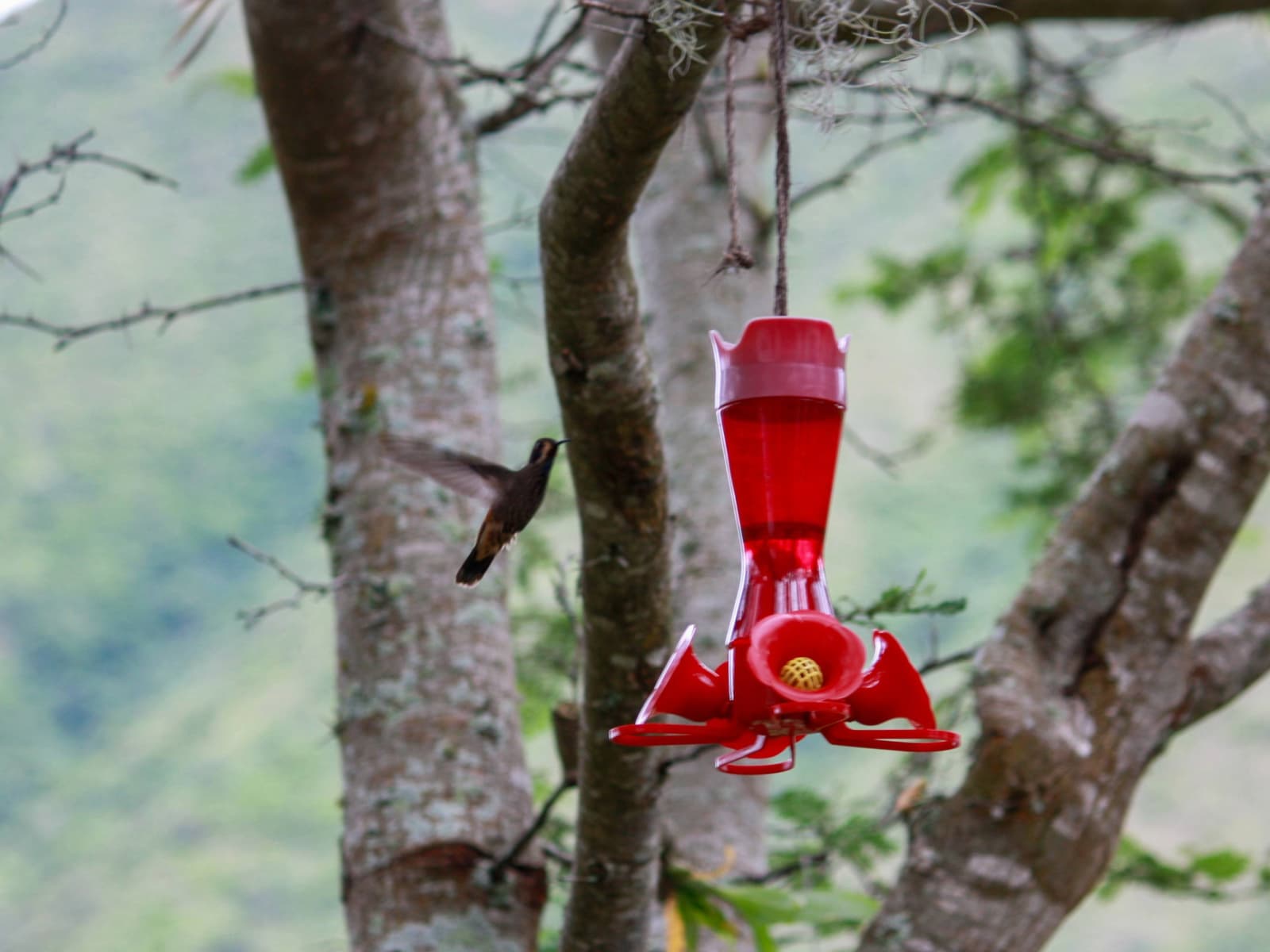
Prepare for fast movement and ethical close observation.
Explore →Observe with care
Quiet behavior protects both the experience and the habitat.
Ecuador’s terrain makes compressed itineraries tiring.
Confirm who provides access, guiding and transport.
Let birds control distance, duration and departure.
FAQ
Clear answers before booking a birding base.
The best places depend on target habitats, elevation, season, route and available time. Choose regions that fit a realistic itinerary rather than one universal ranking.
Bird activity varies by region, habitat, weather, season and time. No date guarantees a species list, so use current local guidance and flexible windows.
A qualified local guide can help with habitat, identification, access and ethics. Confirm credentials, language, transport, meeting point, price and inclusions.
Bring binoculars, layers, rain protection, suitable footwear, sun protection, water and a way to keep electronics dry; adapt to each region.